
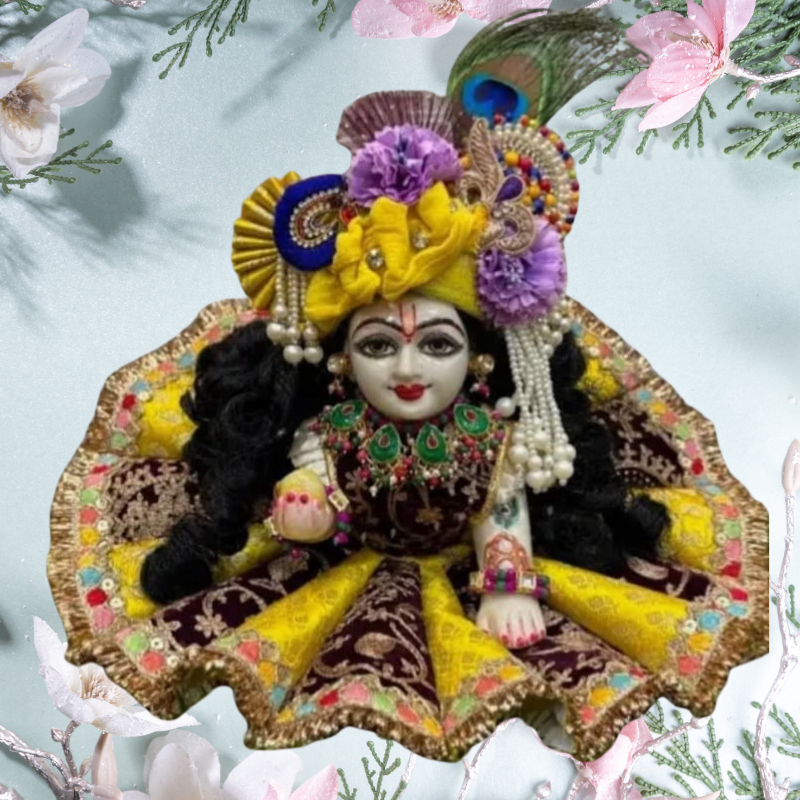
The Spiritual Beauty of Dressing Radha Krishna and Gopal Ji: A Journey of Devotion and Divine Love
Devotion is not merely a feeling; it’s a sacred act expressed through love, care, and reverence. One of the most beautiful forms of expressing devotion is adorning Radha Krishna and Gopal Ji with exquisite poshaks (divine attire). Through every delicate thread, every soft fabric, and every vibrant color, devotees connect deeply with the divine presence that dwells in their hearts and homes.
This article explores the spiritual significance, the right way to choose a poshak, and the energy that dressing the Deity daily brings. Let’s dive into the essence of divine decoration and its timeless spiritual symbolism.
The Spiritual Significance of Dressing Radha Krishna with Love
Dressing Radha Krishna is not just a ritual—it’s an offering of the heart. Each time you change Their attire, you express affection, gratitude, and humility. The act of clothing the Divine Couple represents adorning your soul with purity and love.
According to Hindu tradition, when devotees prepare and offer poshaks, it’s not only about beautifying the Deities but also about invoking divine blessings. Every stitch and ornament used in their attire becomes a prayer, woven with devotion and surrender.
The fabrics—be it silk, velvet, or cotton—carry deep meaning. The sparkle of sequins or the fragrance of fresh flowers placed near Their attire create an atmosphere of spiritual energy and inner peace. Devotees believe that when the Lord is beautifully dressed, the home radiates joy, serenity, and divine vibrations.
How to Choose the Perfect Poshak for Gopal Ji at Home
Choosing a poshak for Gopal Ji is a divine responsibility. It’s about selecting the attire that reflects both beauty and purity. Before making a choice, consider the size of the idol, the season, and the occasion.
During summer, opt for light cotton or chiffon fabrics that keep Gopal Ji cool and comfortable. In winter, soft velvet or silk provides warmth and elegance. For festivals like Janmashtami or Holi, bright colors such as red, yellow, and royal blue bring festive energy to the temple.
Always keep the colors, embroidery, and design simple yet graceful. Handcrafted or embroidered poshaks, decorated with pearls, zari, or mirror work, symbolize the effort and affection of the devotee. Remember, it’s not about how expensive the dress is but about the purity of intention behind it.
Why Changing God’s Poshak Daily Brings Positive Energy
Changing the attire of Radha Krishna or Gopal Ji daily is a ritual that cleanses both the environment and the mind. Each morning, as you offer a new dress, you symbolically remove old energies and invite freshness into your life.
This simple daily act infuses the surroundings with positive vibrations. It’s believed that clean and fresh clothing for the Deity enhances spiritual harmony and attracts divine grace. The fragrance of new fabric, the sparkle of ornaments, and the sight of the beautifully dressed Deity all uplift the heart and inspire gratitude.
In temples and home shrines alike, devotees who practice this ritual report feelings of renewed hope and peace. The process of bathing, dressing, and adorning the Lord becomes a meditation—a time where you forget the world and dwell only in divine presence.
Essential Puja Items Every Devotee Should Have
A complete puja involves not only devotion but also sacred preparation. Every devotee should have certain essential puja items to make their daily worship complete. These include:
- Diyas (lamps) – Symbolizing the light of wisdom and divine knowledge.
- Incense sticks and dhoop – Purifying the air and creating a spiritual ambiance.
- Chandan (sandalwood paste) – Offered to cool the Deity and bring calmness to the devotee’s heart.
- Kumkum and Haldi (vermilion and turmeric) – Representing prosperity, purity, and positive energy.
- Fresh flowers and garlands – The most natural form of beauty, expressing love and devotion.
- Conch (shankh) – Blown to awaken divine energy and drive away negativity.
These sacred items enhance your connection to the divine and help create a serene temple-like atmosphere in your home.
The Meaning Behind Colors in Radha Krishna’s Poshak
Colors hold deep spiritual symbolism in Hinduism. Each hue used in Radha Krishna’s poshak carries a divine message.
- Yellow represents purity, knowledge, and Krishna’s eternal bliss.
- Blue signifies His infinite nature and boundless compassion.
- Red is the color of love, energy, and passion—symbolizing Radha’s devotion.
- Green stands for harmony, growth, and spiritual balance.
- White represents peace and surrender to the divine will.
When devotees dress the Deities, they often select colors according to the day of the week or festive celebrations. For example, white on Mondays, yellow on Thursdays, and pink during festivals of love and joy. The color chosen reflects the emotion you wish to offer that day—devotion, peace, or gratitude.
The Joy of Devotion Through Divine Dressing
Every step in dressing Radha Krishna or Gopal Ji—washing Their clothes, ironing them with care, adorning Them with jewelry, and placing fragrant flowers—brings immense joy to the heart. It’s an intimate form of worship, reminding devotees of their eternal relationship with the Divine.
Through this sacred service, one learns patience, love, and humility. The act of dressing the Lord daily transforms from a ritual into a moment of spiritual awakening. It’s where faith meets beauty and devotion becomes art.
The more lovingly you serve, the more peace and grace flow into your life. Every offering, no matter how small, when done with pure heart, becomes an expression of divine love.
Conclusion
In the simple yet profound act of dressing Radha Krishna and Gopal Ji lies a universe of devotion, color, and sacred energy. Each poshak, each ornament, and each ritual creates a bridge between the human and the divine.
So, the next time you adorn your beloved Deities, remember—it’s not just fabric and jewels you’re offering, but your heart, your time, and your unspoken prayers. Through every act of love, you draw closer to their eternal grace and experience the true beauty of devotion.





Leave a reply