
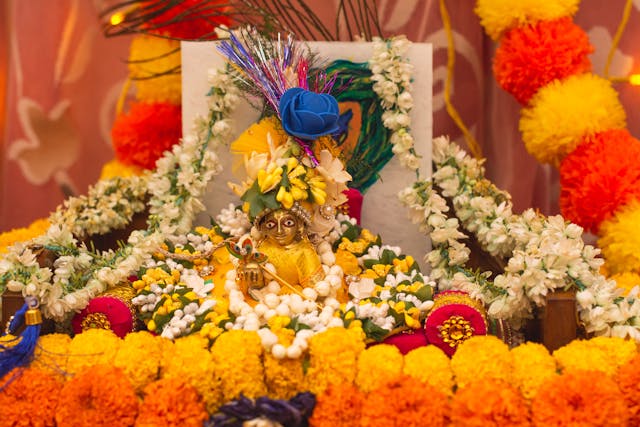
Top 10 Must-Have Items for a Beautiful Home Mandir
Top 10 Must-Have Items for a Beautiful Home Mandir
A home mandir is more than a physical corner; it is the heart-space of a household. When curated with care, it becomes a sanctuary that calms the mind, uplifts the spirit, and invites blessings into everyday life. This guide walks you step-by-step through the top 10 essential items that transform a simple altar into a beautiful, functional, and spiritually resonant home mandir. Each section explains why the item matters, how to choose it, and practical tips for daily use.
1. Murti / Idol — The Living Center of Worship
The murti or idol is the focal point of your mandir. It serves as the tangible form through which devotees connect to the divine.
How to choose:
- Pick a murti crafted from materials considered pure, such as brass, marble, or clay.
- Choose a size proportional to your shrine; a cluttered mandir diminishes serenity.
- Ensure the features are gentle and dignified — expressions matter more than ornamentation.
Care tips:
- Place the murti on a slightly elevated plinth.
- Face the murti east or north for auspicious alignment.
- Clean and dress the deity regularly to keep the energy fresh.
2. Diya / Lamp — Light That Dispels Darkness
Lighting a diya is both symbolic and practical. The lamp purifies the atmosphere and sets a devotional tone.
Selection guidelines:
- Use brass or silver diyas for traditional elegance.
- Opt for ghee or sesame oil as fuel; they carry a deeper, purifying fragrance.
- If safety is a concern, select high-quality electric or LED diyas that mimic the warm glow.
Daily ritual:
- Light the diya during morning and evening prayers.
- Make lighting intentional — a short prayer or offering dedicates the light.
3. Incense and Dhoop — Scents That Soothe the Mind
Fragrance plays a subtle but powerful role in worship. Incense helps the mind settle into prayer and meditation.
What to pick:
- Choose natural incense: sandalwood, jasmine, rose, or herbal blends.
- Avoid synthetic scents that can irritate or cloud the atmosphere.
Usage advice:
- Light incense before the puja begins so the aroma fills the space.
- Allow smoke to rise freely — many traditions believe it carries prayers upwards.
4. Puja Thali — Organized Offerings with Grace
A well-prepared puja thali keeps your worship orderly and meaningful. This sacred plate holds the essentials for every ritual.
Recommended contents:
- Kumkum, turmeric, rice, and akshat for traditional offerings.
- A small diya, a bell, and a flower for immediate use.
- Fresh water in a tiny vessel for symbolic purification.
Maintenance:
- Keep the thali clean and polished.
- Replenish consumables regularly; stale items diminish devotion.
5. Fresh Flowers and Garlands — Nature’s Pure Offering
Flowers are the simplest yet most heartfelt offering. Their colors and fragrance symbolize transient beauty and devotion.
Choosing flowers:
- Use fresh, seasonal flowers like marigold, rose, jasmine, and lotus.
- Maintain a small vase nearby and replace blossoms daily.
Creative touches:
- Make small garlands or flower rings to drape around the murti.
- Press a few petals into prayer books or beneath diyas for added sanctity.
6. Bell (Ghanti) — Sound That Awakens Presence
Every puja begins with the ring of a bell. Its clear chime centers the mind and signals the start of sacred time.
Tips for selection:
- Brass bells produce rich, resonant tones ideal for mandirs.
- Choose a bell size that complements your space — not overpowering, yet audible.
How to use:
- Ring gently before and after aarti.
- Use the sound to mark transitions during longer rituals.
7. Shankh (Conch Shell) — The Cosmic Resonance
The shankh is a powerful symbol in Hindu tradition. Its deep sound is said to clear negative energies and invite auspiciousness.
Placement and use:
- Keep the shankh on a clean shelf or stand, usually to the right of the murti.
- Blow the conch at the start and end of major pujas, or on festival days.
Care:
- Rinse with water and a clean cloth; never let it rest in dusty corners.
8. Kalash and Holy Water — Symbols of Abundance and Purity
A kalash filled with water or a small vessel of holy water grounds rituals in the life-giving element of water.
Why it matters:
- Kalash symbolizes creation, abundance, and hospitality to the divine presence.
- Sprinkling holy water sanctifies the space and those who worship.
Practical choices:
- Use copper or brass kalash for traditional aesthetics.
- Keep a dedicated jar of clean water; refresh daily or weekly depending on use.
9. Sacred Texts and Bhajans — Words That Nurture Faith
Religious books and devotional song collections sustain spiritual growth. They bring depth and narrative to your devotional practice.
Which texts to keep:
- Bhagavad Gita, Ramayana, Vishnu Sahasranama, Hanuman Chalisa, or local devotional compilations.
- Keep a small notebook for personal reflections, prayers, and reading notes.
Display and respect:
- Place texts on a small shelf within the mandir but never on the floor.
- Open and read a few verses daily for sustenance.
10. Poshak, Ornaments, and Decorative Elements — Dressing the Divine
Adorning the deity speaks of love, reverence, and creative expression. Well-chosen poshaks and ornaments complete the mandir’s aesthetic.
Selection ideas:
- Opt for breathable fabrics: silk for festivals, cotton for daily use.
- Use simple jewelry, crowns, and malas sparingly — the intention matters more than opulence.
Decoration tips:
- Rotate colors by day or festival to maintain variety and rhythm.
- Add subtle backdrop fabrics, small mirrors, or embroidered panels to enhance visual focus.
Maintaining Cleanliness and Creating a Sacred Ambience
Beyond the physical items, the atmosphere you craft is crucial. Cleanliness, light, and intentionality amplify the spiritual potency of every object.
Daily habits:
- Sweep and dust the mandir area every morning.
- Use natural sprays like rose water or sandalwood to freshen the space.
- Keep a small box for used flowers and other biodegradable offerings, and dispose of them respectfully.
Ambient touches:
- Play soft bhajans or devotional chants during worship.
- Use soft cushions for sitting, and maintain gentle lighting during evening prayers.
Practical Layout: Small Mandir vs. Large Home Temple
Design your mandir according to the space available. Even a compact corner can be deeply sacred if arranged thoughtfully.
Small mandir tips:
- Use vertical space — wall-mounted shelves can hold murti and essentials.
- Keep items minimal: murti, diya, thali, and a small bell suffice.
Large home temple ideas:
- Create separate racks for poshaks and books.
- Reserve a drawer for ornaments and ritual items to keep the altar uncluttered.
A Simple Daily Ritual to Celebrate Your Mandir
A short, consistent routine nurtures devotion and steadies the mind. Here’s a simple flow:
- Clean the mandir area.
- Light the diya and incense.
- Offer fresh water and flowers.
- Read a short passage or chant a mantra.
- Perform a brief aarti with the bell and diya.
- Sit quietly for a few minutes in gratitude.
This sequence need not be long; consistency builds spiritual depth.
Conclusion
A beautiful home mandir is a blend of intention, simplicity, and reverence. The top 10 items outlined here — from the murti and diya to sacred texts and poshaks — form the backbone of a meaningful shrine. Yet, the true beauty of a mandir lies in the love offered through small, consistent acts. Keep the space clean, choose items with care, and let devotion lead your practice. When your mandir reflects sincerity and warmth, it becomes a luminous sanctuary that blesses every corner of your life.




Leave a reply